
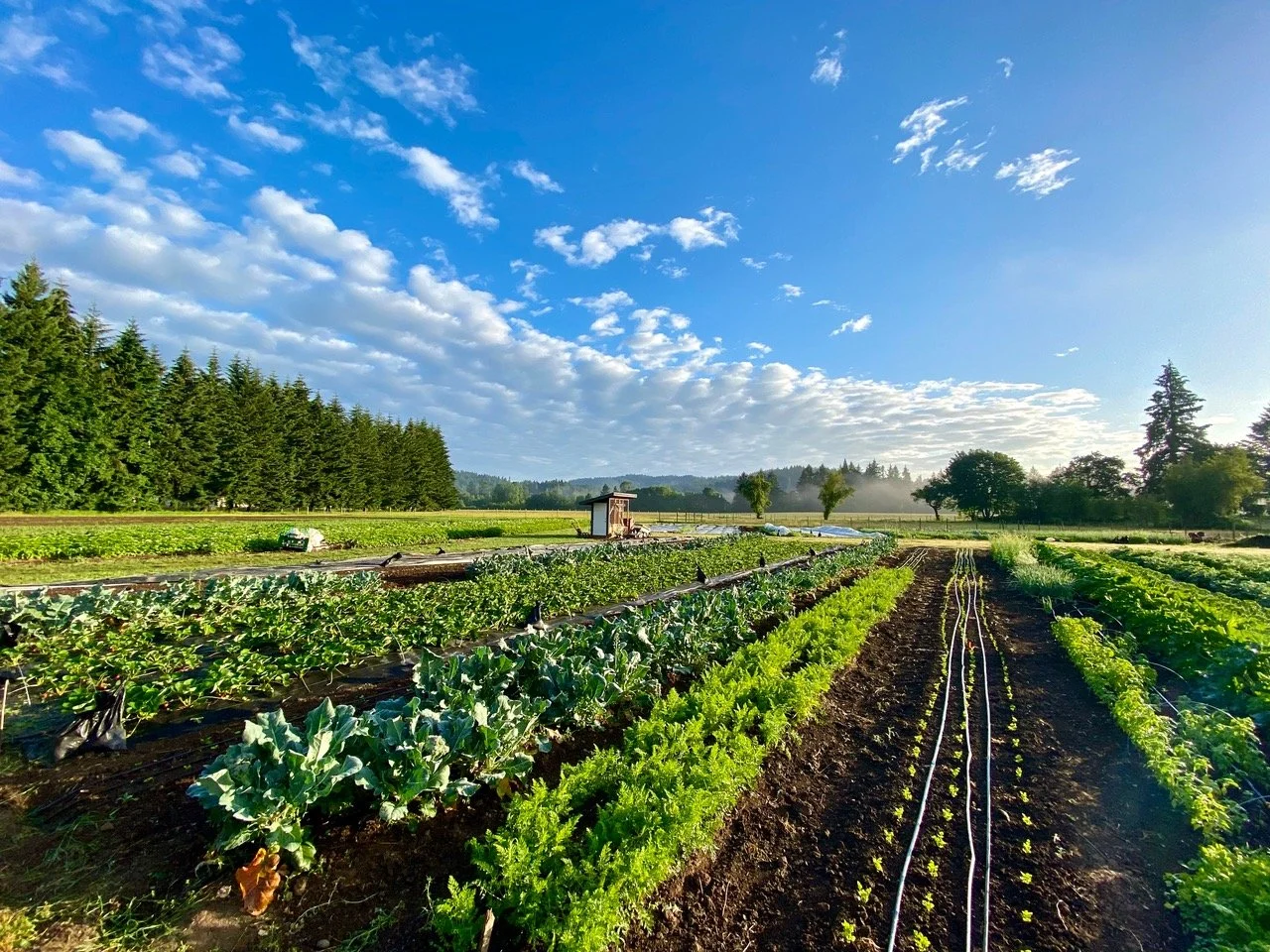
all current participating mentor host farms with Oregon Farm Corps farmer training programs
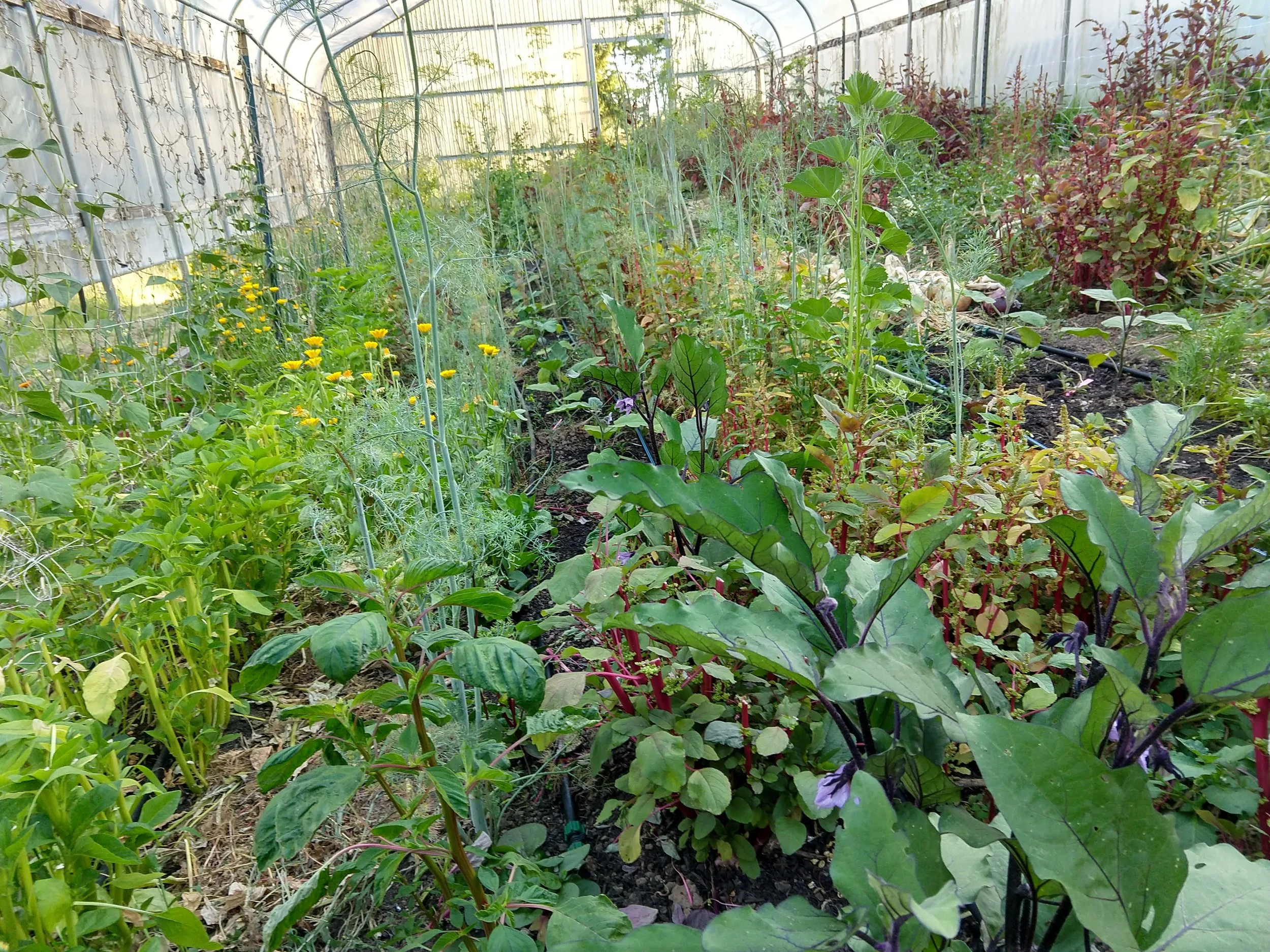
Edible Stories Market Garden- Full for 2026
Edible Stories Market Garden-Full for 2026
1 APPRENTICESHIP
PART TIME average of 20 hours (hours can fluctuate between 15-25 hours per week over the course of the season)
APPROX START/END DATES: March - November
$17/HR
LOCATION: Hillsboro (Portland Chapter)
YEARS IN PRODUCTION: 13
PREVIOUS YEARS HOSTING: New Host Farm
PRACTICES: Organic Practices (not certified), Low-till
ACRES IN CULTIVATION: 1/3
Vegetables, Fruit, Culinary herbs, Medicinal herbs, Nursery stock, Crops with Cultural Significance to Asian Cuisine
ON-FARM HOUSING? No
VEHICLE REQUIRED? Yes
LANGUAGES SPOKEN: English, Hindi, Tamil, Marathi
BIPOC-Owned/Operated, Women-Owned/Operated
Edible Stories Market Garden is a ⅓ acre hand-tended Market Garden devoted to nurturing land and community. We use organic, no-till growing methods to produce specialty crops used in Asian cuisines. For us, food is more than nourishment—it carries memories, emotions, and a deep sense of belonging. Every crop we grow tells a story, connecting us to the South Asian immigrant community (to which we belong) and its cultural traditions that continue to shape our lives. These stories live in the sights and smells of our market garden and in the flavors of its harvests, reminding us of home, heritage, and the shared joy of growing and eating food.
https://www.helvetia.us/FARMPAGE-Edible-Stories
https://www.instagram.com/ediblestoriesmarketgarden/
https://www.pbs.org/newshour/show/family-farm-in-oregon-grows-crops-to-share-south-asian-cuisine-with-its-community
FARM OVERVIEW
Edible Stories Market Garden nestled in the scenic Helvetia area of Hillsboro, Oregon, is just five miles from Highway 26. Our growing space spans approximately one-third of an acre, with all cultivation taking place inside six high tunnels. We also have a greenhouse dedicated to seed starting and transplant production. The terraced garden sits on a gentle slope—hence the name ‘Edible Stories’ - a reflection of both the land’s contour and the many stories created and evoked by each crop we grow, harvest, and share. The garden is part of a five-acre property bordered by an undisturbed expanse of Douglas fir, maple, western cedar, and ferns, which enrich the garden landscape both visually and biologically.
At Edible Stories Market Garden, we employ organic growing practices—using no synthetic fertilizers or pesticides, and relying on compost and natural soil amendments. We also minimize tillage to nurture soil health and biodiversity, rely on drip irrigation to conserve water, and maintain pollinator habitats to support a thriving community of beneficial insects. Our work is primarily done by hand—using hand tools for seeding, transplanting, weeding, bed preparation, and harvesting—to ensure care and attention in every step.
We cultivate a diverse range of vegetables, with a special emphasis on crops that hold cultural significance to the Asian community. Using high tunnels allows us to extend our growing season and create ideal microclimates for these specialty crops. Growing them year after year is our way of celebrating our Asian heritage while contributing to the cultural diversity of locally grown produce in the Portland metro area.
Our growing season extends from March through November. We sell directly to our customers using a pay-as-you-go CSA model. We also sell our produce at local Indian grocery stores and to select Portland restaurants.
TRAINING AND EXPECTATIONS
The apprentice will participate in all stages of vegetable production, from seed starting to harvest and post-harvest handling. Responsibilities will include starting seeds in the greenhouse or directly in the ground, preparing and amending garden beds, applying compost, managing weeds in beds and pathways, operating the drip irrigation system, transplanting seedlings, harvesting, and packing produce for sale. All tasks will be demonstrated, and the apprentice will receive ongoing mentorship and guidance to develop practical skills and a deeper understanding of small-scale vegetable production
Our growing season begins in early March 2026, and we are seeking an apprentice to work an average of 20 hours (hours can fluctuate between 15-25 hours per week over the course of the season) extending through mid-November 2026. The apprentice will receive a 10-minute paid break every 1 hour and a one-hour unpaid lunch break each day. The work is physically demanding, and applicants should be prepared for tasks such as moving and spreading compost, as well as standing, bending, and squatting for extended periods.
The apprentice will begin by working alongside us as we demonstrate each task. They are welcome to ask questions during the work or afterward. We will check in and meet as often as needed to provide the apprentice with the required guidance and support.
QUALIFICATIONS
We are seeking an apprentice who is reliable, eager to learn about growing food and small-scale farming, with an interest in various plants and a keen attention to detail. The work is physically demanding, requiring the ability to stand, kneel, squat, and bend for extended periods. All tasks take place in high tunnels, which can become very hot during the summer, so the apprentice should be able to work safely in warmer conditions while taking reasonable breaks.
Safety and appropriate attire are essential: close-toed shoes must be worn at all times, and the apprentice should dress suitably for farm work. We encourage apprentices to adjust their work hours based on the season and weather, such as starting earlier on hot days. We value a respectful and professional work environment.
Employees are expected to treat team members courteously, remain sober while on the farm, and refrain from smoking or using drugs during work hours. Apprentices are also responsible for taking care of tools and returning them to their proper places. While much of the work may be independent, employees are welcome to bring a radio or music to listen to while working. Previous gardening or horticulture experience is a plus, but a willingness to learn and a strong work ethic are most important.
COMPENSATION / ACCOMMODATIONS
We offer $17/hour as compensation. Additionally the apprentice can take home a reasonable amount of produce for personal consumption.
We do not offer on-farm housing, but there are many rental options in Hillsboro and nearby towns such as Forest Grove, Cornelious, and Beaverton.
Apprentice needs to have their own transportation to get to and from the farm, as our farm is not accessible by public transportation system.
EQUITY AND INCLUSION
Edible Stories Market Garden welcomes and respects individuals of all genders, gender identities, sexualities, ethnicities, and ages, and strives to foster open and respectful communication.
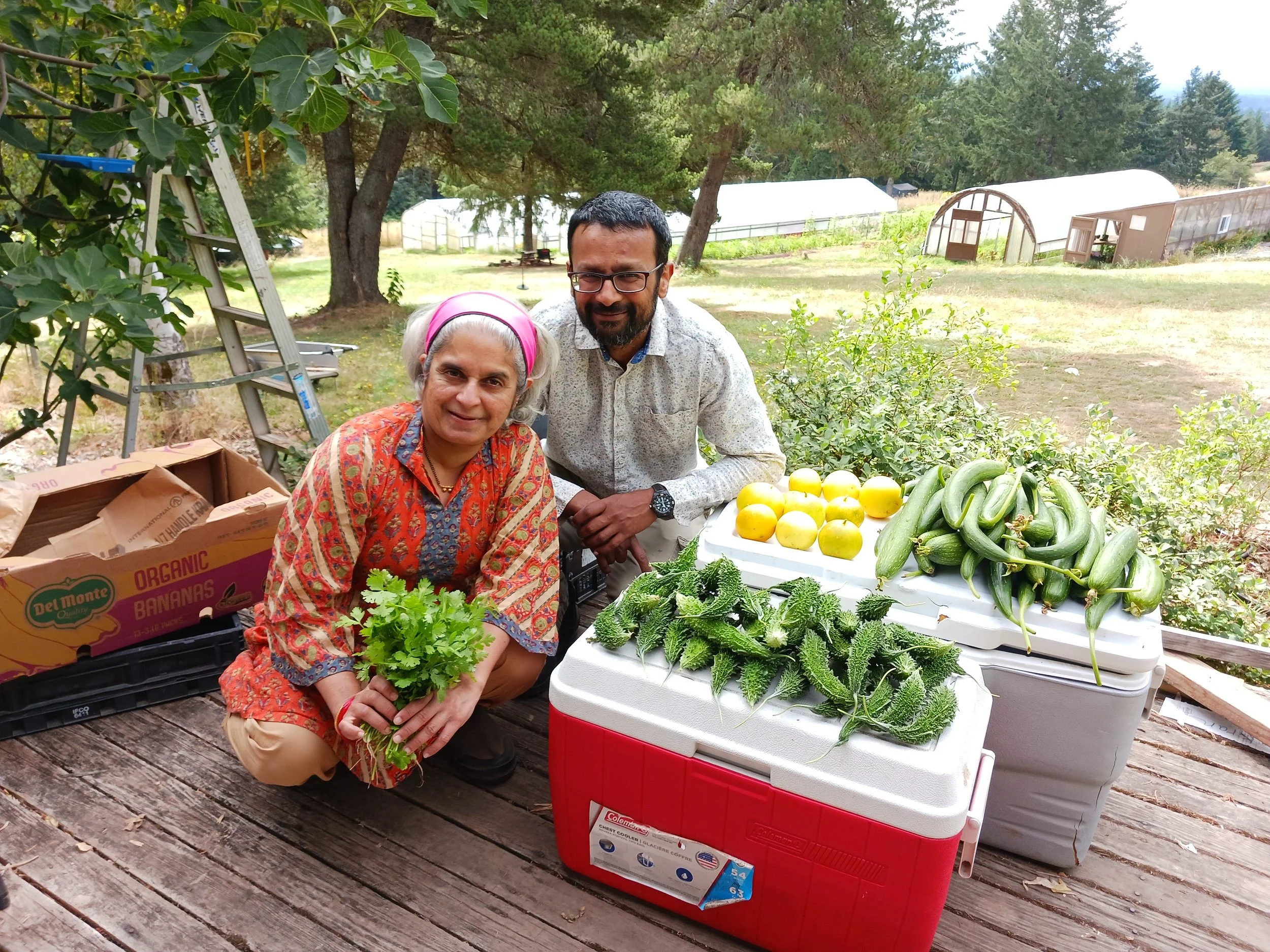
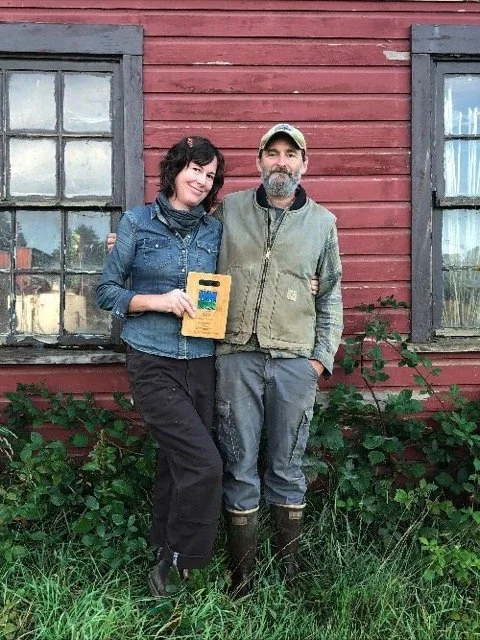
Farmers Lakshmi and Ganesh

Good Rain Farm-Full For 2026
Good Rain Farm-Full for 2026
2 APPRENTICESHIPS
PART TIME (32 hours/week) Full Time (40 hours / week) considered
APPROX START/END DATES: May - October
$18/HR
LOCATION: Troutdale (Portland Metro Chapter)
YEARS IN PRODUCTION: 10
PREVIOUS YEARS HOSTING: 1
PRACTICES: Low-Till, Organic Practices (Not Certified)
ACRES IN CULTIVATION: 1
Vegetables, Culinary Herbs, Meat Production, Seed Production
ON-FARM HOUSING? No
VEHICLE REQUIRED? Yes
LANGUAGES SPOKEN: English
BIPOC Owned/Operated, Women Owned/Operated
Good Rain Farm is a diverse operation focused on vegetable production, native plant propagation, and Indigenous First Foods. We primarily grow mixed vegetables and Indigenous crops, cultivating them through sustainable practices such as low-till methods, cover cropping, and regenerative soil care. Our marketing and sales outlets include a CSA program, local farmers markets, and direct-to-community sales. Our CSA, Save Our Seed, prioritizing culturally relevant foods and education.
Training future farmers is essential to sustaining our food systems, and it’s critical to build a qualified, skilled workforce that values sustainable, culturally rooted practices. Mentoring Apprentices aligns with our mission to strengthen the community through hands-on education and cultural stewardship, helping to ensure a resilient, knowledgeable, and inclusive agricultural future.
www.GoodRainFarm.com
FARM OVERVIEW
Good Rain Farm is located on 13.5 acres within the Urban Growth Boundary (UGB) and designated rural agricultural reserves, just 10 minutes from Gresham and Troutdale, Oregon. The farm includes 10 open-field acres dedicated to mixed vegetable production, providing a spacious and productive setting for diverse crops. Our proximity to the Sandy and Columbia Rivers adds to the richness of the environment, offering opportunities for recreational activities and connection to local natural resources. The setting provides both a quiet, rural atmosphere and convenient access to nearby communities, making it ideal for sustainable farming and community engagement. Currently farm owner Michelle Week and partner live on site with 1 dog, several cats, poultry and meat rabbits.
Our production is a blend of mechanization and hand labor, using tools like a BCS walk-behind tractor for efficiency while maintaining soil health. We use cover crops to enrich soil and support biodiversity, and we are committed to organic practices, exploring organic certification to enhance transparency.
Our typical farm crew includes Michelle and seasonal Apprentices who engage in all aspects of the farm’s operations. We prioritize training Apprentices in sustainable methods, food sovereignty, and cultural revitalization, aiming to foster skilled farmers who carry forward these values. Community volunteers also join us seasonally, helping with planting, harvesting, and community events that support our broader mission of sustainable, inclusive agriculture.
Farmer Michelle Week, founder and steward of Good Rain Farm, is a first-generation farmer from the sngaytskstx (Sinixt) Arrow Lakes Peoples. With a foundation in outdoor recreation and gardening, she refined her skills through a Farm Apprenticeship at Zenger Farm, which led her to establish Good Rain Farm to increase access to Indigenous First Foods.
Michelle’s philosophy centers on food sovereignty, cultural revitalization, and environmental stewardship. Good Rain Farm was established in 2018 to blend traditional knowledge with sustainable farming, fostering ecological health and community resilience. Michelle’s goals include creating an inclusive food system, expanding education, and training future farmers who prioritize community and sustainability.
TRAINING AND EXPECTATIONS
Apprentices at Good Rain Farm will engage in a variety of tasks throughout the six-month Apprenticeship, such field work includes planting, cultivating, weeding, and harvesting, as well as care for livestock, including feeding and cleaning of our meat rabbits. About 48 hours of On-Farm orientation (typically offered in 3hr weekly chunks)will occur . Apprentices will also learn practical skills in washing and packing produce, basic marketing principles through CSA interactions, and safe equipment use and maintenance. Additionally, they will contribute to social media marketing and newsletter writing, enhancing their communication skills and understanding of farm promotion. While the focus is more on agricultural skills than business operations, Apprentices will have access to a list of resources and recommendations for additional entrepreneurial education, and time to attend workshops can be accommodated. The program aims to provide a well-rounded experience, fostering both hands-on agricultural skills and an understanding of sustainable farming practices while encouraging collaboration and active participation.
Apprentices at Good Rain Farm are expected to commit to four eight-hour days per week, starting around 7-8 AM and ending around 3-4 PM, with appropriate breaks included. Farm activities are predominantly performed outdoors in various weather conditions, so employees must dress appropriately each day and wear closed-toed shoes. The role involves significant physical exertion, requiring frequent bending, lifting, and handling of heavy equipment and supplies, with the ability to lift up to 50 pounds repeatedly throughout the day and stand for extended periods outdoors especially during soil amendment & cover cropping days. Reasonable accommodation may be provided upon request to support apprentices in meeting these physical demands.
To provide effective instruction and mentorship to an Apprentice, Michelle will use a hands-on approach that combines lecture, demonstration, collaboration, and open communication. Michelle will teach core concepts and skills through practical work, engaging the Apprentice in daily tasks while guiding them with clear explanations. Regular field walks will facilitate discussions about observations and questions, enhancing their understanding. Michelle will schedule regular check-ins to assess progress and address challenges, fostering an environment where the Apprentice feels safe to share concerns. Michelle aims to provide consistent positive reinforcement alongside constructive criticism, balancing firmness with gentleness. While the work is urgent, Michelle emphasizes that growth and learning are ongoing processes. Evaluation sessions will reflect on progress and set goals, ensuring the Apprentice gains confidence and independence as they develop their skills.
QUALIFICATIONS
We are seeking applicants with a minimum of one year of outdoor field work or farm experience that includes direct involvement in farm operations, with a focus on supporting and executing activities directed by the Lead Instructor or Farm Managers. Ideal candidates should have a working knowledge of organic, sustainable, small farm practices and a passion for learning about Native First Foods, alongside a commitment to land stewardship. Excellent verbal and written communication skills, competency with mathematics, and the ability to follow verbal instructions are essential. Additionally, applicants should be comfortable within a community-driven management process and demonstrate a strong work ethic, enthusiasm for lifelong learning, and an open mind. A food handler's card is preferred but not required.
COMPENSATION / ACCOMMODATIONS
For our Apprenticeship position(s), we offer $18 per hour for four 8-hour workdays weekly, plus several benefits to enrich the experience. Apprentices receive a seasonal CSA box, Paid Time Off, Paid Sick Days, and a Gear Stipend to ensure they’re well-supported. We maintain a Hydration Station and snack basket (“snasket”), provide occasional hot lunches, and offer access to a network of educational and farming opportunities. Technical support for scholarships, grants, and other resources is available, along with comprehensive on-the-job training that emphasizes both practical farming skills and Indigenous approaches to agriculture. Together, these benefits create a holistic, supportive environment for Apprentices to thrive and prepare for futures in sustainable agriculture.
EQUITY AND INCLUSION
At Good Rain Farm, equity and inclusion mean fostering a safe, welcoming, and empowering environment for all, particularly BIPOC and Queer individuals. Our Apprenticeship offers specialized training from an Indigenous-led perspective, promoting diversity and skill-building. We ensure accessibility with 50% of CSA memberships offered at reduced or no cost and by providing home delivery for those in need. Through culturally relevant programs like our Save Our Seed initiative , which teaches seed saving and sustainable agriculture, we advance food sovereignty and social justice. Our commitment to fair treatment, accessibility, and cultural reclamation reflects our belief that equitable food access and environmental stewardship are essential for a just community.

Michelle Week (Photo Credit: Jaimie Thrower)

Runnymede Farm - Full for 2026
Runnymede Farm
1 APPRENTICESHIP
PART TIME/FULL TIME (24-40 hours/week)
APPROX START/END DATES: March/April - November
$15.50/HR
LOCATION: Rogue River (Rogue Valley Chapter)
YEARS IN PRODUCTION: 26
PREVIOUS YEARS HOSTING: 6
PRACTICES: Organic Practices (Not Certified), Mechanized/Tractor Farming, Winter Farming
ACRES IN CULTIVATION: 9
Diversified Vegetable, Fruit, Dairy, Poultry (Eggs), Cut Flowers, Nursery Stock, Value-Added / Processing
ON-FARM HOUSING? No
VEHICLE REQUIRED? Yes
LANGUAGES SPOKEN: English
Women-Owned/Operated, Veteran-Owned/Operated
Runnymede Farm is well known for our fresh produce and nursery business in the local Rogue River community. We strive to provide the Rogue Valley with high quality, local food while being good stewards to our land. The farm uses intuition and intensive, chemical-free, non-certified organic practices to produce a wide variety of crops on their 10 acres, including vegetables, fruit, cut flowers, nursery plants, eggs, and dairy.
FARM OVERVIEW
Runnymede farm is located in the beautiful Evans Valley of Southern Oregon, just 2 miles outside the town of Rogue River, a 10 minute drive to Grants Pass and a 20 minute drive to Medford. The 10 acres comprises 5 acres of pasture, 1 acre of wooded forest, 3 acres of hoop houses, nursery space, and growing fields, and 1 acre of living quarters. Teri and Arthur White, the farm’s owners, live on the farm with their dog Leche and the other farm animals. The Rogue Valley is a beautiful place at all times of the year, with plenty of hiking, river floats, and nature to explore.
Runnymede grows row crops and flowers in our fields and hoop houses. We also have a small orchard of pear trees and blackberries, as well as a nursery with annual and perennial flowers, vegetable starts, fruit trees, bushes, and ornamental bushes and trees.
Each year, Runnymede raises a new round of chicks for egg production. There are about 15 goats bred for raw goat milk.
Produce, eggs, nursery starts, and plants sell at 3 local farmer’s markets (Ashland, Medford and Grants Pass), as well as selling produce for a few other local farms. We do a 5 week CSA in the winter months. We also do on farm sales of our raw milk, eggs, and nursery stock.
Due to the scale and intensity of the plantings, field prep is done with a tractor, while all other tasks are performed by hand with basic tools. The farm employs 2 full-time employees, 1 part-time employee, and hires additional seasonal help as it’s needed.
The farm is owner by husband and wife team, Arthur and Teri. Together, they have over 25 years of farming and marketing experience. They have been on the farm since 1999.
Nora Kendall is the primary mentor for the Apprentice and was once herself a OFC Apprentice! Nora started working at Runnymede in 2021. She is now the field manager, organizes the daily on-farm operations, as well as works 2 of the 3 markets. Nora enjoys the diversity farming brings to each day, and appreciates being able to spend the days on her feet being active. She is in the beginning years of starting her own farm, and loves educating others about farming and the importance of local food. Nora also lives in Rogue River with her husband and looks forward to growing her own farm business in the years to come.
TRAINING AND EXPECTATIONS
Apprentices joining the crew at Runnymede can expect to be exposed to all tasks involved in operating a small-scale, diverse, mixed production farm. Those tasks will include animal husbandry (including milking and milk handling) and planting, cultivation, harvesting, packing, and farmers market sales of produce, fruit, and nursery products. On-farm training time consists of between 24-40 hours/week for an Apprenticeship position, depending on the applicant, and will include some weekends and holidays. Apprentice will work alongside the host farmers and employees, with some independent work as well, especially as the season progresses. The farm has many facets, and Apprentices are welcome to gravitate toward the areas that interest them.
The Apprentice will have tasks demonstrated to them clearly and thoroughly. We require applicants come with no prior bias, and we may explain tasks that they have previous experience with to ensure it is done the way we like it. We are not providing instruction in biology, botany, or zoology. We are providing on the job experience from which apprentices will have to use their own initiative to further or codify their education.
QUALIFICATIONS
Applicants seeking employment at Runnymede Farm must be mature, serious in their pursuit of farming, and physically capable of lifting heavy objects and being active and on their feet for long days. They must be capable of working independently without constant supervision. A positive attitude that brings a calm presence amongst the employees and animals is a must.
We encourage Apprentices to explore and enjoy Southern Oregon’s beauty, its proximity to the coast, the redwoods, the cascades, and the desert. We encourage Apprentices to make friends in the wider Rogue Farm Corps community and share experiences to fully understand that farming, like life, has many paths.
We prefer an applicant who can stay from March - November but can be flexible on start and end dates as needed. We prefer an applicant to visit in person before a placement decision is made. If you will hire on without an on farm visit, we will have an interview, perhaps multiple interviews.
COMPENSATION / ACCOMMODATIONS
Apprentices will start at $15.50/hr.
We do not provide On-Farm Housing. Housing can be tight, but rentals are available in the area. Non-local applicants are encouraged to come early to get settled. We can provide a reference for employment and character for housing applications.
EQUITY AND INCLUSION
Our farm encourages and supports applicants from all backgrounds and is committed to creating a safe and supportive work environment. Runnymede is happy to share our knowledge of farming with anyone with an open mind towards learning and the world around them.
One of the foundations of nature is variety, and as such, Runnymede Farm also welcomes all souls committed to tolerance, non-violence, and ethical and moral human values.
PAST APPRENTICE TESTIMONIALS
“[Arthur and Teri provided] a clear schedule and list of tasks. [They hosted] a welcoming environment and awesome coworkers… open to ideas and feedback from employees.” - 2021

Teri and Art White (Photo: David Hampton Photography)

Farm Mentor Nora Dennehy with one of the Goats at Runnymede
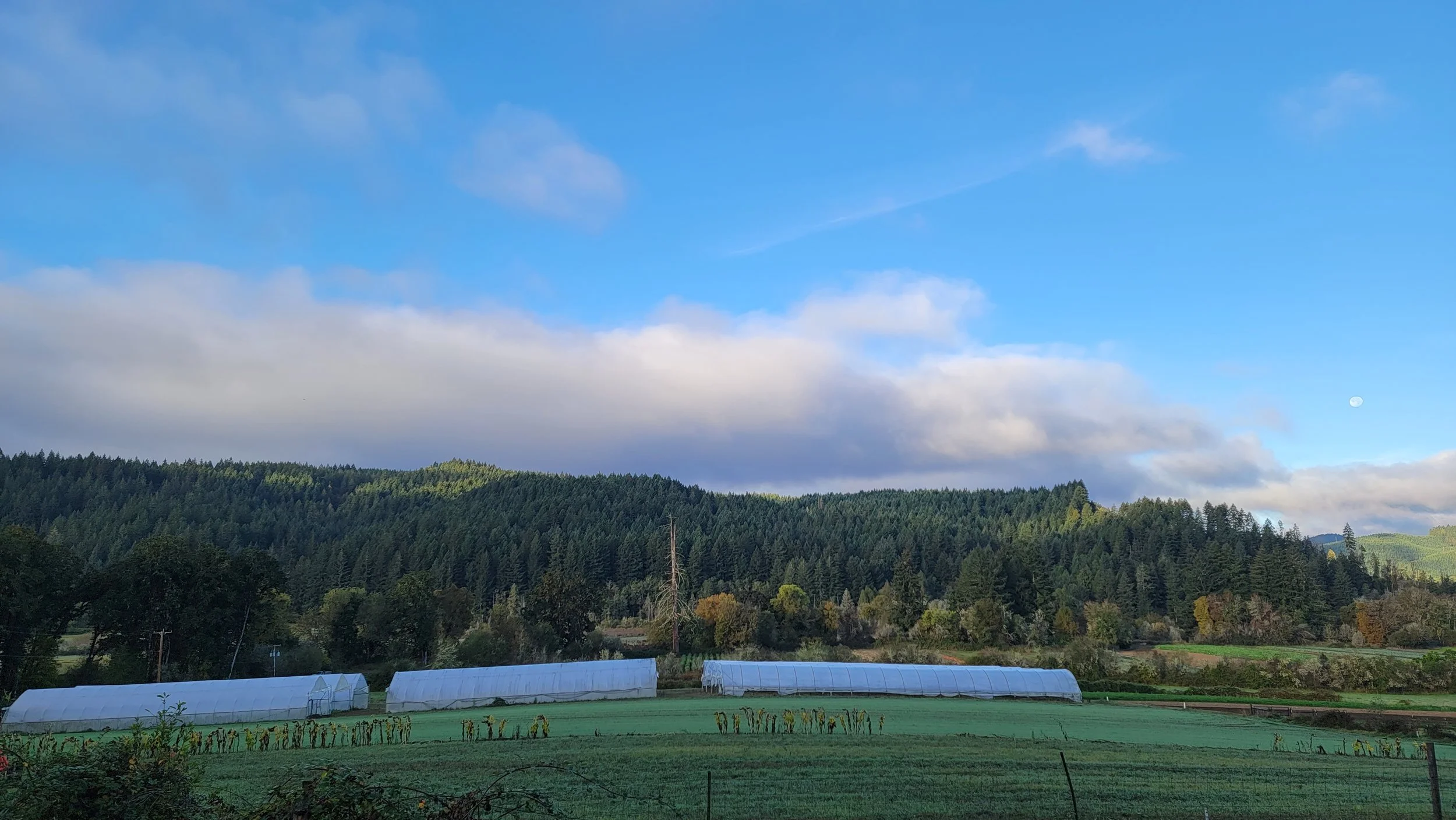
Winter Green Farm
WINTER GREEN FARM
2 APPRENTICESHIPS
FULL TIME (40 hours/week)
APPROX START/END DATES: March - November
$15.75/HR
LOCATION: Noti (WIllamette Valley Chapter)
YEARS IN PRODUCTION: 45 years
PREVIOUS YEARS HOSTING: 2
PRACTICES: Biodynamic, Certified Organic, Mechanized/Tractor Farming
ACRES IN CULTIVATION: 25
Vegetables, Fruit, Culinary Herbs, Meat Production, Hay Production
ON-FARM HOUSING? No
VEHICLE REQUIRED? Yes
LANGUAGES SPOKEN: English, Spanish
Women-Owned/Operated
Mission Statement:
A productive farm in harmony with the earth, humanity, and ourselves.
FARM OVERVIEW
Winter Green Farm is owned and operated by Chris and Shannon. Our farm is nestled in the foothills of the coast range about 25 miles from Eugene and 40 miles from the Oregon coast. The farm is about 100 acres, and we lease 34 acres down the road as well. The closest town that offers basic amenities is Veneta which is five miles away.
Our farm enterprises include a CSA (500 members), 3 farmers markets a week, direct wholesale to stores and restaurants, plus wholesaling to schools, Organically Grown Company and a small grass-fed lamb operation. We grow 22-25 acres of mixed fruits and vegetables a year that are certified organic by Oregon Tilth. We also use biodynamic farming methods. We practice a six year rotation where our ground is mixed vegetables and forage production for our animals for three years, and then a beef herd managed by neighbors is on the farm for 3 years. We make all of our own compost on-farm which is our main source of fertility. We have an average of 20-25 people on payroll during the year.
Apprentices would work closely with harvest managers as the primary mentors, rather than the farm owners. We grow a variety of fresh market vegetables and most are hand harvested, although we do have specialized mechanical harvesting equipment. Most of our tillage and cultivation is mechanized and done with tractors.
Winter Green Farm was founded in 1980, has been certified organic since 1984, has had a CSA since 1992. Chris came to the farm in 1995 with no agricultural experience, a degree in biology and a commitment to help make the world a better place. His initial role on the farm was to help process medicinal herbs. He then went on to become the irrigation person. As his passion grew and knowledge base broadened, he was given more and more responsibility on the farm. In 2008 He and Shannon were given the opportunity by the other owners to partner in the farm and in 2015 they purchased all of the assets and secured a long term lease to run the vegetable operation on the farm.
TRAINING AND EXPECTATIONS
We are looking to teach people production agriculture. They will take part in planting, harvesting, and processing of fruits and vegetables. Depending on experience and aptitude they may also get to take part in tractor work and other equipment operation. Depending on experience and desire to learn, Apprentices will be exposed to record keeping, fertility management and food safety protocol.
Apprentices will be given all the training they need for tasks that they are asked to do. Ideally they would work on average 40 hours a Monday through Friday. If someone is interested in doing farmers markets, their schedule would be adapted so they would work on Saturdays and still average 40 hours/week.
Farming is hard work. An Apprentice should be able to work hard at an efficient pace during all types of weather. Time off is honored if scheduled in advance (unless for urgent needs). Apprentices will get paid sick time as well. We provide instruction by explaining, showing and working with the skill being instructed on. The people learning the task are given goals and techniques that we have worked on over the years to make the job more efficient , safe and less taxing on the body and mind. They will be given the chance to ask questions and work on their own after hands-on instruction is given. We follow up a couple of times after the training to make sure that the skill has been acquired and that the person is reaching their fullest potential at that skill demonstration, gaining independence, offering time for questions or field walks, regular check-ins/meetings, evaluation sessions, etc.):
QUALIFICATIONS
People with previous farm experience would be ideal but not necessary. We appreciate: outdoor work experience, a commitment to organic agriculture, attention to detail, good communication and listening skills. Will need a car.
It would be nice but not necessary to meet in person beforehand.
COMPENSATION / ACCOMMODATIONS
We start all crew workers at $15.75 an hour. Workers are given a 50 cent raise after 250 hours of employment and then raises are given based on hours accrued after that on July 1st and January 1st. Bonuses are given at the end of the year if the farm is profitable.
Every employee is given paid sick leave (up to 40 hours a year) and if necessary can get paid family leave as well.
Apprentices will receive a 1⁄2 share of our CSA and are able to access other farm produce as well.
EQUITY AND INCLUSION
We believe that workers have the right to meaningful work, fair treatment, and decent compensation. We are eternally grateful for the love and care that our employees invest in our farm. In a very real way our farm is the manifestation of the energy of our workers. Many deep relationships have developed over the years at the farm, among workers and between workers and owners. We see our workforce as our farm community and look forward to supporting this important aspect of our farm. Just as Winter Green Farm’s ecosystem exists within a global ecology, so does our social activity exist within a broader community and societal context. We believe that supporting local community organizations, specific cause related endeavors, and certain agricultural organizations are important. Similarly, we believe that by opening the farm as a place where members of the community can support us, we help strengthen the bonds of community and help heal the rural/urban divide.
PAST APPRENTICE TESTIMONIALS
“It is [a great farm] to learn about larger scale production.” - 2024
Shannon and Chris.