
all current participating mentor host farms with Oregon Farm Corps farmer training programs
Marion Polk food share - Full for 2026
marion polk food share
1 APPRENTICESHIP
FULL TIME (32 hours/week) Monday-Friday 7am-3:30pm
Apprentices can choose to work four 8-hour says or five 6.4 hour days
APPROX START/END DATES: May- November
$18/HR
LOCATION: Salem (Willamette Valley Chapter)
YEARS IN PRODUCTION: 13
PREVIOUS YEARS HOSTING: New Host Farm
PRACTICES: Organic Practices (not certified), dry farming
ACRES IN CULTIVATION: 3 acres
Fruits, Vegetables, Culinary Herbs, Cut Flowers
ON-FARM HOUSING? No
VEHICLE REQUIRED? No
LANGUAGES SPOKEN: English/ Spanish
https://marionpolkfoodshare.org/
https://www.instagram.com/marionpolkfoodshare/
https://www.facebook.com/MarionPolkFoodShare/
FARM OVERVIEW
Marion Polk Food Share’s mission is to bring people together to end hunger and its root causes. We distribute nutritious food for individuals and families to more than 70 local partners, including food pantries and meal sites, and deliver Meals on Wheels to homebound seniors and adults with disabilities. We operate an urban youth farm and support a network of community gardens that connect people and their food, and mobilize community members to address systemic issues that lead to hunger.
The Youth Farm functions primarily as a youth leadership and empowerment initiative. Each summer, 25–30 high school students join our farm crew to build job skills, learn about food systems, and develop a strong sense of community. The food we grow is distributed through our Veggie Rx CSA, which serves 115 families for 18 weeks. These families are low-income, food insecure and at risk of diet related illness, and all produce is provided at no cost. Additional harvest is distributed through our network of food pantries.
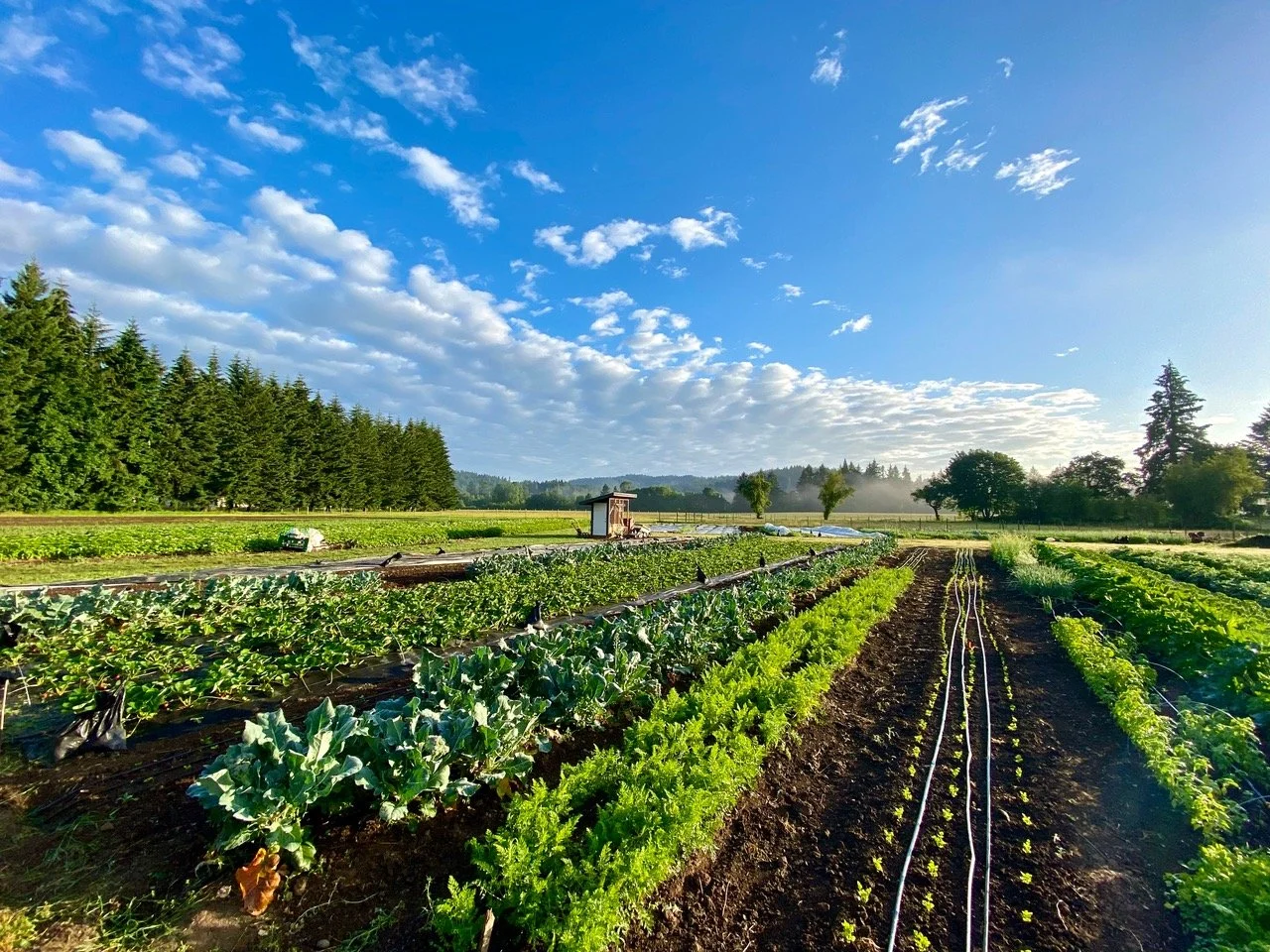
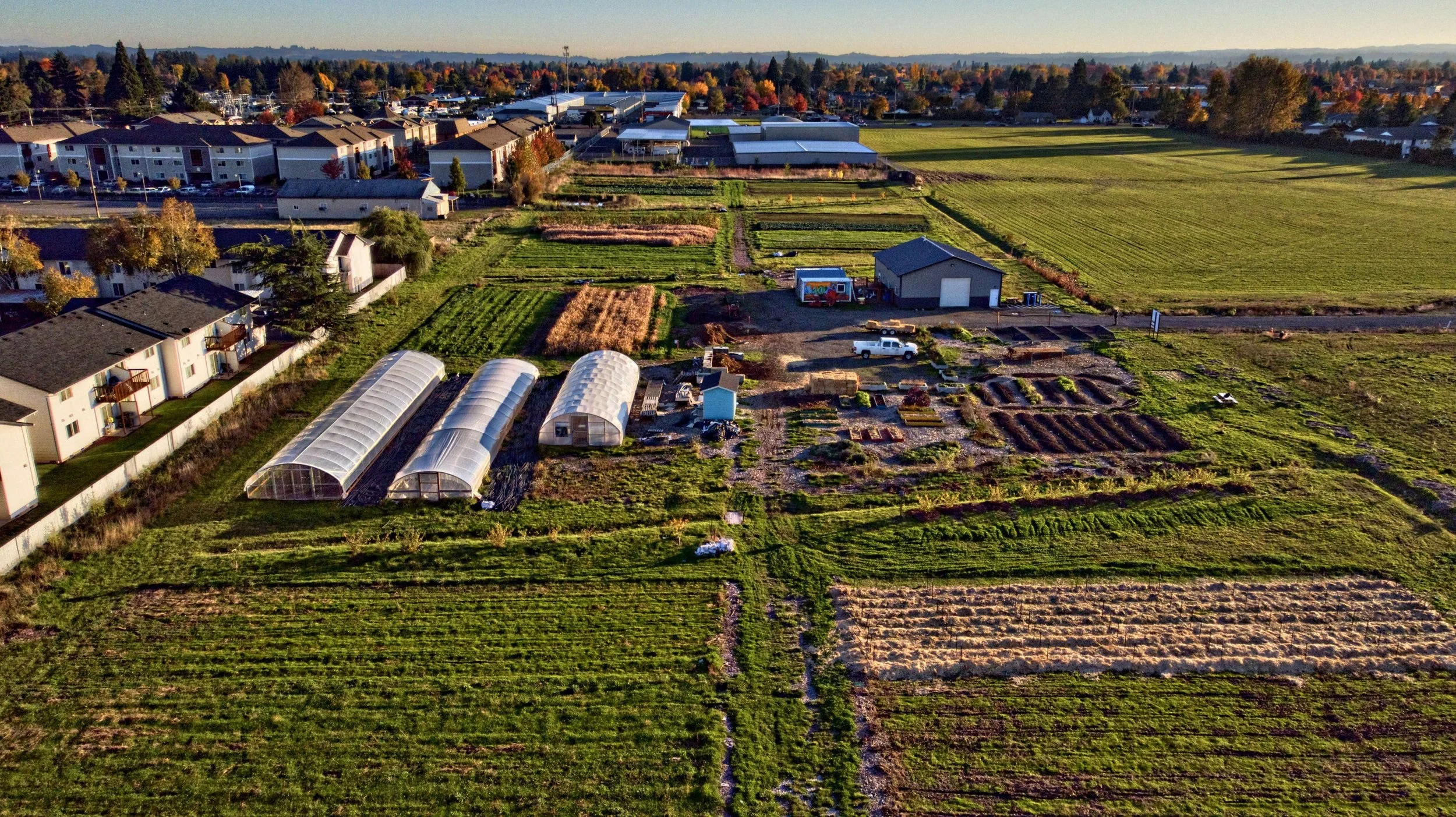
We actively cultivate approximately 3 of our 6 acres, focusing primarily on vegetable and berry production. We also maintain a small orchard with Asian pears and cherries. In addition, we keep bees for educational purposes rather than commercial honey production. Our farming approach combines mechanization and hand labor: we use two tractors for tillage and bed preparation, while planting and most weeding are done by hand. We have a Tilmor Power Ox for help with weed management and a Jang push seeder for direct seeding.
We have been steadily improving our agricultural efficiency, producing just under 50,000 pounds of produce in 2025, up from approximately 20,000 pounds in 2023. We are committed to sustainable farming practices that support healthy soils, ecosystems, and people. While we are not certified organic, we follow organic methods, do not use sprays or herbicides, and strive to minimize tillage as much as our heavy clay soils allow. We dry farm all our tomatoes, potatoes, winter squash, and field melons as well as the occasional experiment (onions! garbanzos!). We have just begun to explore flower production and will continue to include flowers in our crop plan. We are no experts in this area, but it is an opportunity for us to learn and experiment together.
TRAINING AND EXPECTATIONS
The expected duties for this position are listed below. Youth Farm staff will provide you with hands-on training and guidance for each task. There will be ample time to ask questions and work alongside staff while you get the hang of things. We also have a large library of books on a variety of agricultural topics that you are welcome to use. We conduct a field walk each Monday followed by a team meeting to set the weekly priorities and assign tasks. Quick daily morning check-ins provide an opportunity to make any necessary adjustments.
Agricultural support: This position supports the Youth Farm staff and youth crew in growing 20,000-50,000 pounds of organic vegetables for community distribution.
Assisting with greenhouse transplant production.
Operating tractor for mowing, tilling, and bed preparation tasks.
Using a variety of hand tools and cultivation equipment to reduce weed pressure on crops.
Assisting with irrigation maintenance and installation on plantings.
Implementing organic pest & disease control methods.
Assisting with maintenance of farm facilities and equipment.
Landscaping and maintenance: This position helps to maintain accessible pathways, clear work areas, functional infrastructure, and beautiful public spaces at the Youth Farm.
Mowing main pathways.
String trimming around irrigation valves, fence lines, parking lots, seating areas and hedgerows.
Mulching and weeding farm gathering spaces and perennial plantings.
Youth program support: This position ensures a supportive and safe educational environment for the teen participants at the Youth Farm by assisting with supervision of the youth crew.
Demonstrating safe agricultural work to youth crew.
Helping youth crew leaders troubleshoot problems with agricultural work.
Supporting youth farmers in harvesting, washing, and packing operations to benefit Farm Share Rx
and other community food distributions.
Assisting with grocery and supply purchases.
Supporting summer program kitchen operations and supporting youth farmers in cooking lunch using farm produce.
QUALIFICATIONS
We are confident that we can teach most skills to folks who have a positive attitude and a willingness to learn. While prior farming experience is helpful, we are open to taking someone with less experience if they have good attention to detail and some experience doing physically demanding work outdoors (sports, trail crews, outdoor hobbies etc.). Work will regularly involve sustained periods of standing and walking and moderate to heavy manual labor, including bending, reaching, squatting, crawling, stooping and use of the hands, arms, and fingers. The apprentice will regularly be required to lift up to 50 pounds and push/pull up to 300 pounds. Apprentices should be prepared to work outdoors in all weather conditions (chilly and rainy to hot and sunny and everything in between). Must be experienced with or willing to learn to drive large trucks (pick up, dump truck) and use farm/garden equipment (small tractors, walk behind rototiller, weed eater etc.).
The person should have a strong interest in learning about small-scale vegetable production, youth education or community food security/food systems work. We want someone who is a team player and is willing to lend a hand wherever they are needed. They should be able to convey information clearly, listen actively, and collaborate with team members. They should not be afraid to ask questions when needed. We would like someone who is excited by the opportunity to be a positive role model for our teen youth farmers by demonstrating qualities such as responsibility, compassion, kindness, work ethic, and a commitment to sustainable farming practices.
Apprentice must have a valid driver’s license and be cleared to drive company vehicles and tractors. Additionally, because we work with minors, we do require all staff, apprentices and volunteers to pass a full background check which will include a driving record check. A drug screen (excludes THC) will also be required.
COMPENSATION / ACCOMMODATIONS
$18/hr
Paid sick and vacation time
Paid federal holidays (Memorial Day, Juneteenth, Independence Day, Labor Day, Indigenous Peoples’ Day)
Farm produce for personal consumption
We have plenty of community gear to borrow (rain gear, rain boots, gloves etc.)
EQUITY AND INCLUSION
Marion Polk Food Share’s mission is to bring people together to end hunger and its root causes. We believe that food is a human right and that everyone deserves to have nutritious and culturally relevant food. We recognize that systemic oppression is a root cause of hunger. Injustices including racism, sexism, ageism, and other forms of oppression create inequity and are major contributors to poverty. Our commitment to ending hunger means we must understand and challenge the systems that unjustly and disproportionately impact marginalized communities.
Because we cannot end hunger without addressing its root causes, the Food Share embraces the values of diversity, equity, inclusion, and justice. We carry these as core values of our work and culture by:
Striving to raise the voices of and be led by people with lived experience of systemic oppression and food insecurity.
Using an equity lens to influence decision-making, address disparities in services and undo the effects of systemic inequity throughout our organization.
Building partnerships with and advocating alongside groups focused on social and racial justice, poverty, and other forms of oppression.
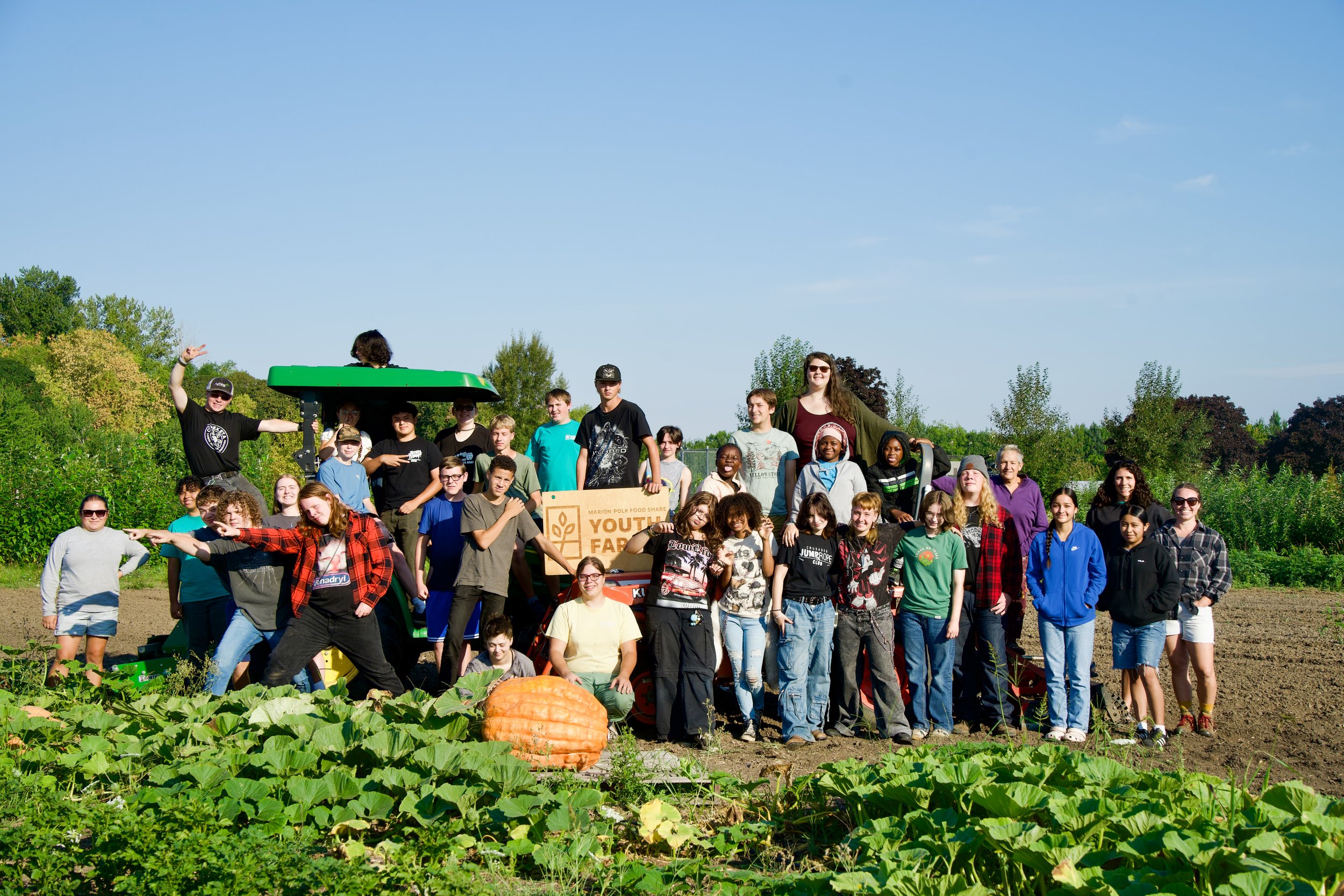
image description
Thimbleberry Collaborative Farm-Full for 2026
Thimbleberry Collaborative Farm-Full for 2026
1 APPRENTICESHIP
PART TIME (30 hours/week)
APPROX START/END DATES: Mid-March - Mid-November
$18/HR
LOCATION: Boring (Portland Chapter)
YEARS IN PRODUCTION: 3
PREVIOUS YEARS HOSTING: 1
PRACTICES: Low-Till, Regenerative, Organic Practices (Not Certified)
ACRES IN CULTIVATION: 1/3
Vegetable Production, Culinary Herbs, Medicinal Herbs, Fruit, Poultry(Eggs), Cut Flowers, Orchard Production
ON-FARM HOUSING? No
VEHICLE REQUIRED? Yes
LANGUAGES SPOKEN: English
Non-Profit Farm, Educational Farm
2023 was our first year of production on this land, and we’ve been experimenting with no/low-till strategies for growing our annual vegetables to great success. This means there is a lot of hand work, including weeding, harvesting, and removing plants at the end of their cycle to leave roots in place whenever possible. Though we are not certified organic, we do not use pesticides or herbicides, and take a “from the soil up” approach - meaning we aim to build the appropriate soil biome for plants to thrive in using natural methods, and aim to keep the soil growing plants or in a protective cover as much of the year as possible. We are in the beginning stages of learning about the soil food web and how we can support this biome, and look forward to any experience or knowledge a potential Apprentice can contribute.
We believe farming is a constant learning experience that should be fluid, so we adapt our methods on a daily basis to account for the needs of the plants and those of us who tend them. In the winter, our fields are partially cropped to late-fall and over-wintered vegetables, cover crops, and partially covered with compost and tarps to ensure we have fertile ground ready to be planted in early spring. We have newly-established perennial native plantings along our learning garden and in blocks along our main field, as well as a small stand of mature blueberries and various herbs bordering our in-ground and raised beds. Finally, we have a mature orchard featuring apples, plums, pears and cherries.
www.thimbleberrycollaborativefarm.org
@thimbleberrycollaborativefarm
FARM OVERVIEw
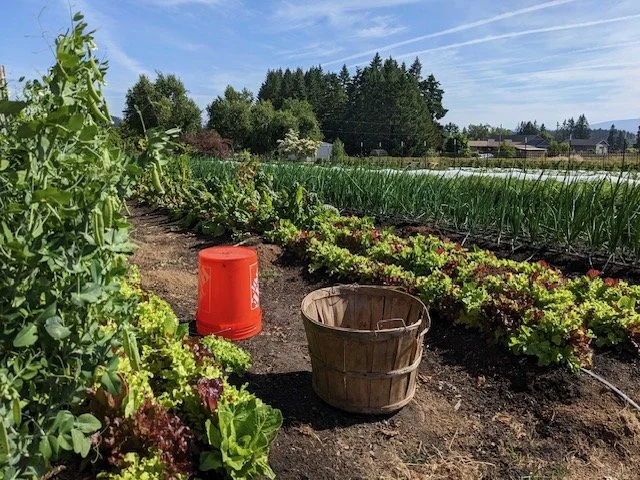
We are situated on 5 acres just outside Boring, Oregon - 30 miles east of downtown Portland, 57 miles from Mt. Hood, and surrounded by some of the best natural beauty and recreational opportunities in Oregon. Approximately ⅓ of an acre of our farm is in no/low-till, mixed annual vegetables, and another ¼ acre is planted to boysenberries which are currently leased and managed by a nearby Organic certified farmer. We have a large learning garden with several raised and in-ground beds, as well as perennial native plantings, blueberries, and herbs, and a small, mature orchard of apple, plum, pear and cherry trees. There is a large shop which contains our packing/storage/refrigeration, a seed propagation greenhouse, and a home which serves as our office/communal kitchen/meeting space.
We are a 501c3 nonprofit organization, and our produce is provided at no cost to the recipients through donations to local food pantries in east Multnomah and Clackamas Counties, as well as through a farm-to-table meal delivery program that we piloted for two years. With this program, patients of Wallace, a medical clinic in Rockwood, received weekly meals prepared and delivered to them by Milk Crate Kitchen, a non-profit production kitchen. We also set up a weekly, free farm stand onsite at the clinic where patients receive fresh produce to take home. Our educational programs are constantly growing, so field trips and workshops involving school-age children as well as adults are a regular occurrence on and off the farm. Finally, we have 4 laying hens and 5 ducks, which we hope to incorporate into the fertility plan of the farm by utilizing manure and “chicken tillage” of cover crop residue, as well as their pest management capabilities.
So far, our farm crew consists of one full-time farmer (Drew), two staff on harvest and transplanting days as needed, a part-time farm assistant, and additional support from board members and volunteers during work parties and other events.
Drew is the primary farmer/Farm Operations Manager at TCF. We are a small team of just 1 part-time and 3 full-time employees (plus an awesome Board of Directors), so on any given day each of us may be helping out in the field, learning garden, orchard, or supporting each other with other tasks not directly related to growing food. Though TCF was established just 3 years ago (2023 being our first season on our current land), Drew has 10+ years of farming experience, having previously owned his own CSA/market farm south of Eugene, Oregon, where he also grew using natural methods but with a more traditional tillage approach. Drew noticed that repeated tillage had a very detrimental effect on the soil and thus the crops, but didn’t have the resources needed to implement some of the exciting low-till methods we use here at Thimbleberry. He believes that farming and tending plants comes naturally to most people, so his general philosophy is that there is no “right” way to do something. That being said, through repeated trial and error he has developed preferences for how to approach tasks, and will expect anyone helping on the farm to utilize these techniques unless agreed otherwise. We have found that it is easy to become myopic in farming, so we encourage questions about the “why” of any given task or technique. Generally, we find farmers to be some of the smartest, most ingenuitive people around, and have no doubt that we can learn much from even the greenest thumb. We value direct communication, consistency, punctuality, hard work, laughter/fun, and camaraderie amongst the staff and community that surrounds us at TCF. One of our favorite parts of working at the farm is our weekly staff meal, prepared mostly with ingredients from the fields!
TRAINING AND EXPECTATIONS
Apprentices will primarily be involved in the day-to-day physical operations of the farm, including, seed propagation, transplanting, weeding, cover crop establishment/management, drip irrigation installation and management, harvesting, washing/packing/delivering produce, small machinery/hand tool operation (BCS walk-behind tractor, mower, weed whacker, stirrup hoes, shovels, etc.), compost production, chicken/duck care, record keeping, and various other tasks related to the smooth operation of the farm. Occasionally, Apprentices may support other staff in activities such as field trips, workshops, or tabling at farm stands/farmer’s markets/events. In addition, Apprentices have the opportunity to engage in aspects of the non-profit side of the farm, such as supporting fund-raising events like our annual harvest celebration or community nights facilitated by local partners. Much of the farm management aspect of the farm such as crop-planning, seed ordering, and budgeting is done during the winter months, so exposure to learning experiences in these areas will be limited, though time can be set aside to discuss these aspects if desired. Since we are not a typical “market” farm, experience in the retail, direct to consumer aspects common with many small farm operations such as farmers markets and CSA programs won’t be provided, though our farm-to-table program will provide experience in setting up a farm stand and interacting with other nonprofits serving the community.
Typical start time is between 8-9am Monday-Friday, depending on the required task, and will generally end by 4:30pm, with Monday/Wednesday/Friday being harvest days and therefore requiring the most support. During peak season, harvest days may begin at 7am and end by 3pm. We do not generally work more than 8 hours on any given day. The majority of a prospective apprentice’s time will be spent supporting harvesting, washing, weeding, and transplanting crops. Essentially, every day is a “training day” in the sense that through repetition and working side-by-side with the Farm Operations Manager, the Apprentice will gain a thorough understanding of the day to day operation of the farm. Detailed training in other aspects of the farm will be determined through our regular check-ins and identifying gaps in knowledge or proficiency in real time. Questions about processes and techniques are encouraged to ensure work can be done safely and efficiently, and that the Apprentice ends the season with as comprehensive an understanding as possible.
Time off requests will be granted within reason and with 2 weeks advance notice, to ensure the workload can be covered by existing staff. At this time, we are unable to offer paid time off, and will need to limit time off to sick days and shorter duration absences. However, we are flexible and happy to work with prospective Apprentices to find a consistent schedule that works for everyone.
Occasionally, Apprentices may be asked to support staff during other activities that occur during irregular work hours, such as weekend volunteer days, evening events, etc., or in non-farming related events such as community workshops or field trips. These activities are an important part of TCF, and are integral to our function as a non-profit, educational farm serving the surrounding community.
Most instruction and learning will be through hands-on application of farming techniques in day-to-day operations. Support such as reading materials in specific areas such as soil test interpretation, low/no-till techniques, etc., will be provided throughout the season when appropriate. Regular check-ins with the Farm Operations Manager and/or our Executive Director will help narrow in on prospective areas of mutual growth and development, and additional support and time to focus on filling knowledge gaps will be provided. Depending on hourly availability, Apprentices may attend weekly staff meetings to stay engaged with overall operations when appropriate. Drew will be working closely with Apprentices on a daily basis in the field, so there will be ample opportunity to ask questions, explore and deepen technical abilities, and work together to ensure all learning goals are met. Regular evaluations and feedback will be provided on a mutual basis, both formally and informally.
COMPENSATION / ACCOMMODATIONS
We can offer $18/hour and access to food from the farm. We would also reimburse for OFC tuition.
Local housing options in case a placement is coming into the area and needs housing: Rentals in Portland are fairly expensive and can be difficult to come by, and would require a commute of 30 minutes to an hour, depending on location. The surrounding community of Boring may be somewhat limited as well due to its smaller size, but nearby Gresham may provide more affordable options and a quicker commute.
QUALIFICATIONS
Generally, a farm apprentice here at TCF needs to have a strong work ethic, good communication (direct and respectful), be punctual, and have an ability to be flexible and self-motivated to jump in and support wherever they are needed. An ability to work outside in various weather conditions, as well as tolerate days consisting mostly of physical labor and some repetitive tasks are essential. Consistency and attention to detail, as well as a desire to learn through trial and error are a benefit, and a desire to support our under-served community members is essential. A good sense of humor and ability to have fun while we work is one of the core values here at TCF, as well!
EQUITY AND INCLUSION
Equity and inclusion are at the core of our values and mission at TCF. Every aspect of our physical farm and learning garden space was created with accessibility in mind; From our semi-raised, permanent bed systems in the row crop area, to the permanent raised and ADA accessible beds and traversable paths in our learning garden, we’re making continuous improvements to ensure access for everyone. As collaboration is a key aspect of our organization, we treat each person we come in contact with as a potential partner/teacher and valued voice in the co-creation of our farm and the greater food system we inhabit. Our mission to increase access to free/affordable, healthy food for low-income, underserved communities is the guiding principle that ensures we are making the greatest impact on food justice and security that we can as a small organization. Partnerships with local schools and organizations that are already working to support these communities increase our potential to help create a strong and lasting network that can bolster existing efforts towards these goals. Undergirding everything is a sense of humility and openness to new ideas, perspectives, and educational opportunities. As a staff, we’ve incorporated weekly readings and film screenings in order to educate ourselves about the current and historical issues facing the various cultural communities that make up East Multnomah and Clackamas Counties, especially issues related to food systems and agriculture. We use what we learn in these weekly discussions to shape our programs, design our educational curricula and crop plans, inform our relationship-building efforts with community partners, as well as our team recruitment efforts, and more. Finally, we acknowledge that lived experience is a crucial component in an individual’s desire and ability to contribute to the work of food justice, and weigh it equally with other considerations when reviewing applicants for all positions within our organization.
PAST APPRENTICE TESTIMONIALS
“Very welcoming environment, felt at home immediately. Drew was a great mentor and I really appreciated getting to learn all aspects of the farm.” - 2024
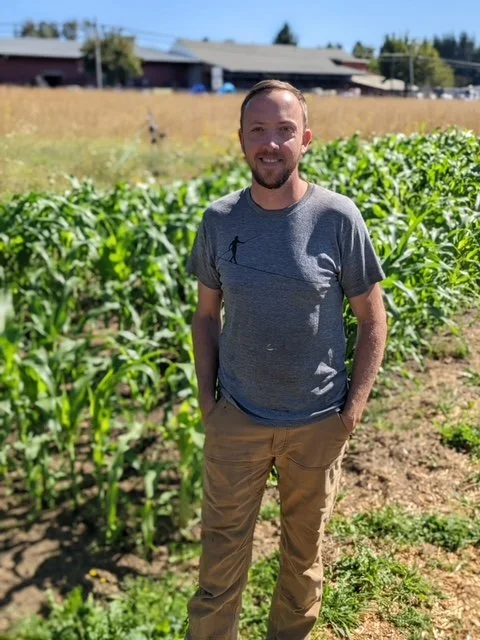
Drew

FOOD For Lane County Youth Farm-Full for 2026
FOOD For Lane County Youth FarM
Full for 2026
PART TIME (28 hours/week)
APPROX START/END DATES: March - November
$18/HR
LOCATION: Eugene (Willamette Valley Chapter)
YEARS IN PRODUCTION: 31
PREVIOUS YEARS HOSTING: 1
PRACTICES: Organic Practices (Not Certified)
ACRES IN CULTIVATION: 7
Vegetable Production, Culinary Herbs, Fruit, Nursery Stock, Cut Flowers
ON-FARM HOUSING? No
VEHICLE REQUIRED? No, we are not located next to public bus lines but they are coming in Spring!
LANGUAGES SPOKEN: English, Basic Spanish
Urban, Public Education, Non-Profit Farm
We are a program of FOOD For Lane County (FFLC), the regional nonprofit food bank in our area. FFLC is a well respected and innovative organization with the mission of “Reducing hunger by engaging our community to create access to food”. The Youth Farm has been in operation for over 30 years, serving the community healthy food while creating opportunities for youth, beginning farmers and volunteers. We have moved farm operations and 2026 will be our first year at our new site. We have worked with and trained well over 100 interns over the years. Many are still involved in agriculture, including some as farm owners.
www.foodforlanecounty.org/gardens
https://www.facebook.com/fflcyouthfarm/
FARM OVERVIEW
On the Youth Farm, we cultivate 7 acres of diverse vegetable crops as well as a new orchard of approximately 100 fruit trees (apples, pears, peaches, Asian pears, plums), strawberries, thornless blackberries and raspberries and a blueberry patch. We are not certified organic, but we use all organic methods. We have two small tractors that we run on biodiesel that we use for discing, tilling, bed shaping and mowing. For our new, larger farm, we have also purchased new tractor implements for cultivating, seeding and spreading amendments. Most other work on the farm is done by hand, including transplanting, weeding, harvesting, and post-harvest handling. Approximately half of our produce is delivered to the FOOD For Lane County warehouse for distribution through our network of partners to those experiencing food insecurity in our county. The remainder we sell through a 180-member CSA, and an onsite produce stand on Saturdays. We also grow vegetable, flower and herb starts for two very large plant sale fundraisers each spring.
Our primary farm crew consists of a Farm Supervisor, Education Coordinator, Field Coordinator and Youth Crew Coordinator and Maintenance Coordinator, who work from mid-January-early December. During the main growing season, we hire 14 teens to participate in a part-time work experience and job skills program where they attend classes and are trained to do farm work as well as operate our farmstand. Some of our stellar youth are in leadership positions and return for up to 4 consecutive seasons. Our Gardens Program Manager oversees the program. We also host numerous volunteers and volunteer groups at our farm each year, which creates a dynamic and unpredictable element to our crew size on certain days of the week. Overall, our crew each day can range from 4-25 people, depending on the time of year.
The Youth Farm is located on a 25 acre site in Lane County close to Eugene and Springfeild. We recently moved to this new site from a property in North Springfield, and are thrilled to have the opportunity to re-create our farm on a property owned by Food For Lane County. The Farm is on prime agricultural land, and a farmhouse. Since taking ownership, we’ve built nine high tunnel greenhouses, planted a large fruit tree orchard and blueberry patch, established extensive irrigation, put in a rainwater catchment system, cover cropped the main produce growing areas, and enclosed the property in deer fencing. We have many more plans for the future infrastructure and demonstration gardens. This is an exciting time to be a part of developing a new farm for an established program. The preoperty is close to the Mt. Buford Park recreational distrcit, which includes Mt. Pisgah Arboretum and several other land-based community organizations. The neighboring towns of Eugene and Springfield offer plenty of cultural, entertainment and recreation opportunities, including music venues, art scene, free lecture at the university, bike paths, close-in hiking trails, lakes, and rivers for boating and swimming.
TRAINING AND EXPECTATIONS
Apprentices will be trained in various aspects of the operation including orchard care (pruning, thinning, pest management), nursery and greenhouse management, and growing a wide variety of annual produce (over 40 crops). Work will include seeding, planting, cultivation and weed management, fertilization, harvesting, wash/pack, irrigation set-up and watering, composting, CSA and market set up and distribution, and use of small farm equipment (barrel washer, salad spinner, vacuum seeder, walk behind tillers, flame weeders and lawn care equipment).
Apprentices will also have the opportunity to help run our onsite produce stand, including set-up, take down and customer service. They will be involved in packing boxes for our CSA customers, which we do 2 times per week for a 25 week season.
Depending on interest, Apprentices will have the opportunity to lead volunteers and youth participants once they are trained.
We would like Apprentices to begin on March 3rd, four days/week (Tuesday-Friday), with some additional weekend duties on occasion. 8:30am-4:30pm is a typical work schedule with a half hour for an unpaid lunch. An early start to the season will give Apprentices the opportunity to learn pruning on some of our fruit trees. They will also be integrally involved in preparations for our two plant sales, including seeding and tending starts, and organizing for the sales that occur in April and May. The Apprenticeship will end on November 20th. Apprentices can request up to two weeks off, unpaid.
Our Apprenticeship educational program consists of lectures, occasional field trips, hand-outs, and mostly hands-on learning. We have a curriculum of educational topics, including composting, nutrient management and soil testing, plant propagation and nursery management, orchard management and fruit tree pruning, crop planning and rotation, winter farming, greenhouse management and construction, irrigation, cultivation, weed management, food preservation and cover cropping. We hold morning check-in stretching circles as well as frequent crew meetings. We take monthly field walks, and will do our best to address topics that Apprentices are interested in. These on farm classes will supplement Rogue Farm Corps online Educational Event Series and weekend intensives.
QUALIFICATIONS
Passion for organic farming, gardening or outdoor work
Previous experience in working with plants outdoors, agriculture, landscaping, etc. (Prefer 1-3 years experience)
Interest or experience in working with youth and community members
Ability to lift 50 pounds and perform physical farm tasks in adverse weather conditions
Excellent attention to detail
Good communication skills
Organized and reliable
Share FFLC’s values of Compassion, Inclusion and Collaboration
COMPENSATION / ACCOMMODATIONS
$18/hr for 28 hours/week. Sick time accrual is included. Apprentices receive 2 paid 10 minute breaks, and are required to take a half hour unpaid for lunch. OFC events are not part of payable hours.
Shared housing as well as apartments and studios can be found in both Eugene and Springfield. Check Craigslist and Facebook Marketplace to get an idea as we do not offer housing at this time.
Pay will be directly deposited into your bank account every two weeks. Details are in the FOOD For Lane County Employee Handbook. Reimbursement of OFC tuition is included if you complete the full season. Farm Produce and starts are provided as available.
EQUITY AND INCLUSION
Compassion, Inclusion and Collaboration are the stated core values of our organization, Food For Lane County. We are all invested in and strive to create a safe, open, productive work environment for everyone involved and prioritize community building, straight forward communication, and validation and appreciation.
Our supervisors have received training in conflict resolution, micro-agressions, gender diversity, nuerodivergence and how inequities permeate in our food system. Which leads to less access to quality, culturally appropriate food for LGBTQIA2S+, BIPOC, immigrant and disabled populations.
PAST APPRENTICE TESTIMONIALS
“The mentors are both teachers and farmers. There are many opportunities to learn new things and be in leadership roles with volunteers and youth farmers.” -2024

Youth Farm staff.